
In the age of AI-driven discovery, biomedical research is undergoing a quiet revolution—one that’s not just about faster algorithms or bigger datasets, but about rethinking how we access and share data across borders, institutions, and communities. The Geographies of Trust report published on Zenodo offers a timely exploration of this shift, spotlighting technologies that respect data-access restrictions while enabling powerful, privacy-preserving analysis.
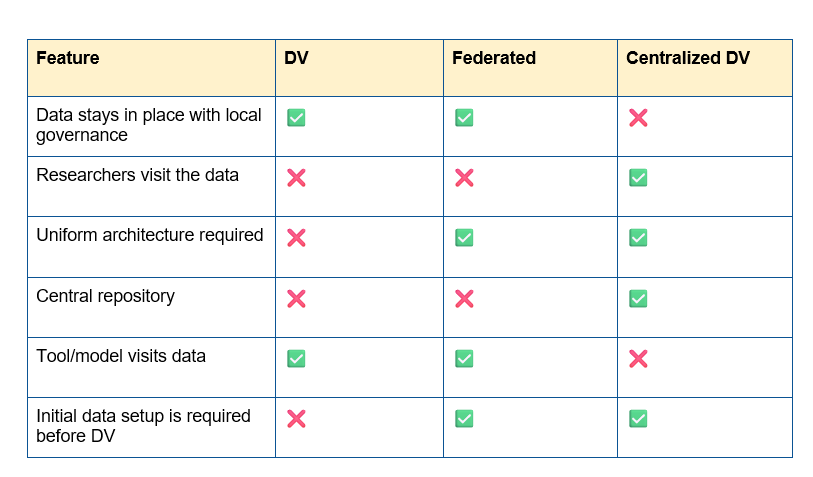
At the heart of this transformation is a concept called data visiting—a model where computational tools travel to the data, rather than the data being moved or copied across systems. This approach is particularly relevant in biomedical research, where sensitive datasets like genomic sequences or clinical records are often siloed due to privacy laws, ethical concerns, and institutional boundaries.
Why Data Visiting Matters
Traditional data-sharing models often require centralizing data, which can be risky, inefficient, and exclusionary. Data visiting flips that paradigm. By allowing algorithms to “visit” data in its original location, researchers can:
- Preserve privacy and compliance with local regulations
- Avoid duplication and data leakage
- Enable collaboration across institutions and countries without compromising sovereignty
But the real power of data visiting lies in its potential to break down silos—not just technical ones, but social and geographic ones too. It opens the door for researchers in under-resourced regions to participate in global studies without needing to relinquish control over their data. It also allows for more representative datasets, which are essential for building equitable AI models in medicine.
Toward a More Inclusive Research Ecosystem
Biomedical research has long struggled with bias—both in who gets to participate and whose data gets included. Data visiting helps address this by:
- Supporting federated learning, where models are trained across diverse datasets without centralizing them
- Enabling cohort generation and metadata navigation using AI tools that respect local governance
- Facilitating synthetic data creation to simulate underrepresented populations without compromising real patient privacy
As the Geographies of Trust report notes, these innovations are not just technical upgrades—they’re architectural shifts in how we build trust, scale collaboration, and ensure ethical integrity in biomedical science.
What Comes Next
To truly realize the promise of data visiting, we need to embed AI into the very fabric of these systems—not just as a tool for analysis, but as a guide for governance, equity, and inclusion. That means investing in platforms that support federated MLOps, designing policies that protect data sovereignty, and building bridges between communities that have historically been left out of the research conversation.
Data visiting isn’t just a workaround for privacy—it’s a blueprint for a more just and globally connected future in biomedical research.